
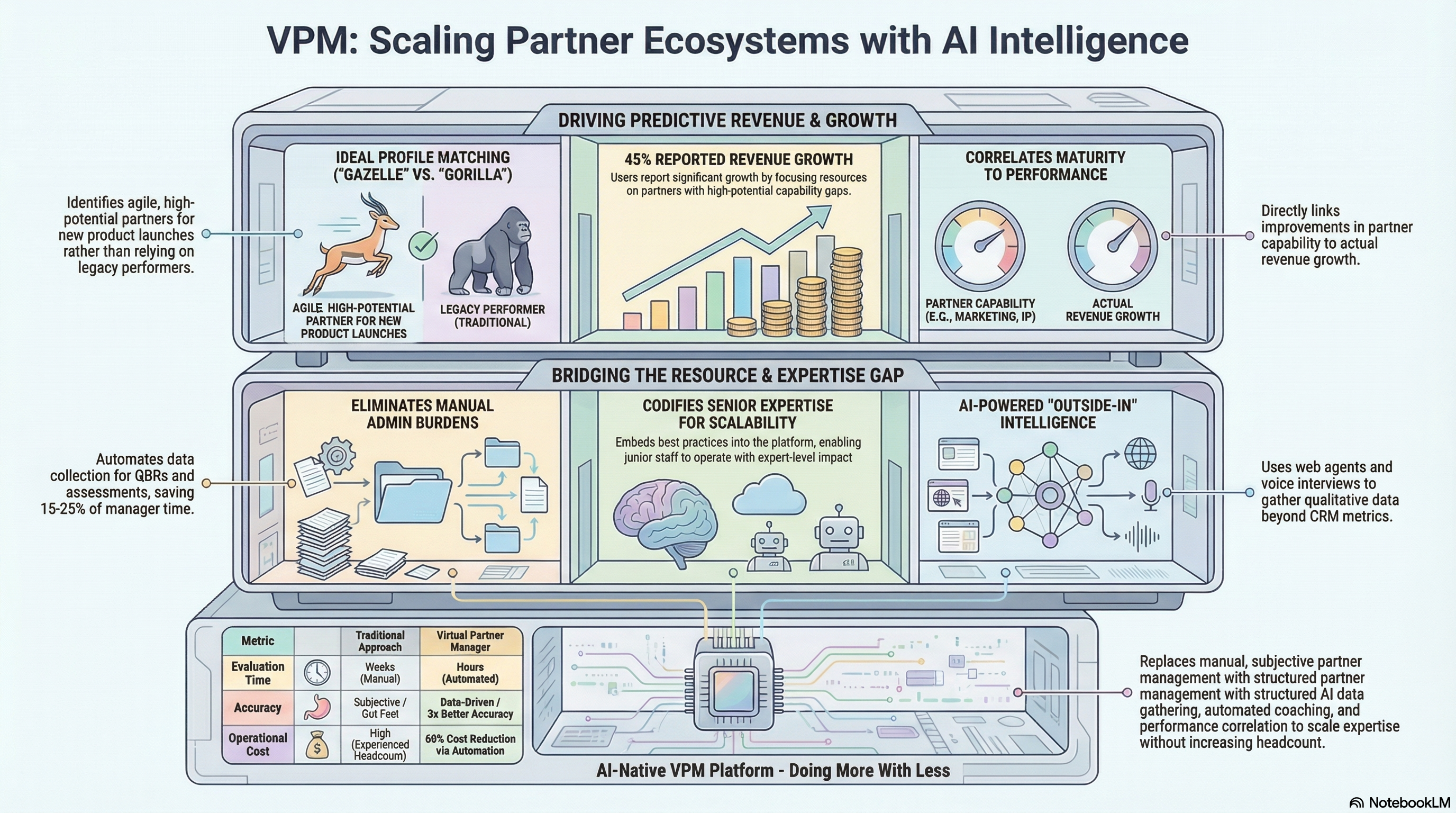
2. The Partner Manager is Dead; Long Live the Orchestrator: 5 Truths About the New AI-Driven Ecosystem
1. Introduction: The Scalability Paradox and the High Stakes of the Chasm
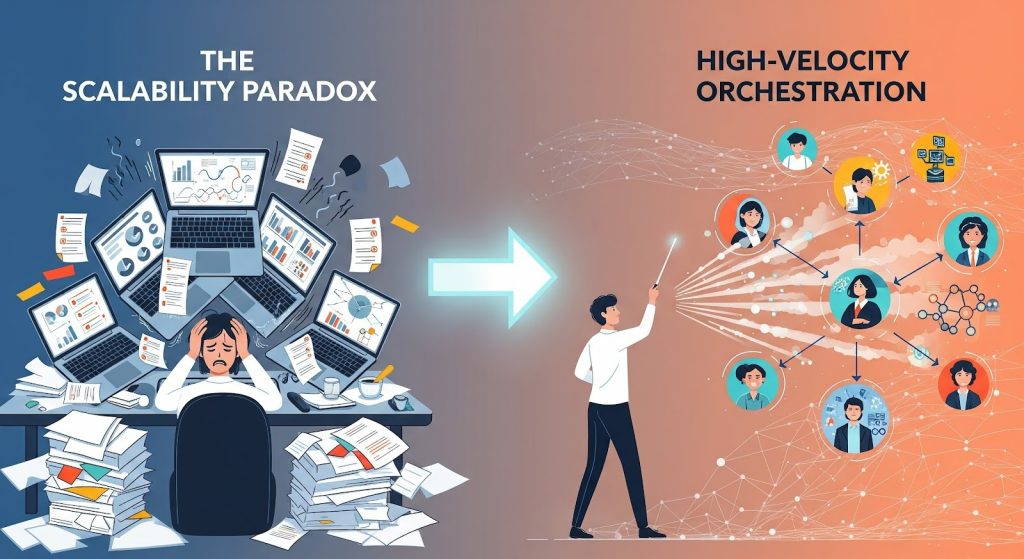
For decades, the IT channel followed a linear trajectory. From the distributorships of the 1980s to the SaaS explosion of the 2000s, the blueprint for growth was simple: hire more people to manage more partners. Today, that model has hit a wall. We are currently navigating a "Scalability Paradox" where the exploding cost of veteran channel talent is colliding head-on with shrinking partner ecosystem budgets.
In the GenAI era, the traditional "manual" approach—relying on the gut feelings of individual managers—is no longer just inefficient; it is a liability. Sure, some of the team have taken their Probiotics and have a great gut, but do you know who they are? If so, how do you replicate their capability to the others in the team? To "Cross the Chasm" in today’s market, a working ecosystem is a fundamental sign of corporate maturity and a significant driver of business valuation. To win, organizations must move away from transactional management, which to be honest, AI should be doing anyway, and toward high-velocity orchestration. The game is no longer about supervising a pipeline; it is about building a defensible moat through value-added coaching, with multiple types of partner playing different roles in building your success.. We are witnessing the birth of the Orchestrator.
--------------------------------------------------------------------------------
2. The Power Shift—From "What They Do for You" to "What You Can Do for Them."
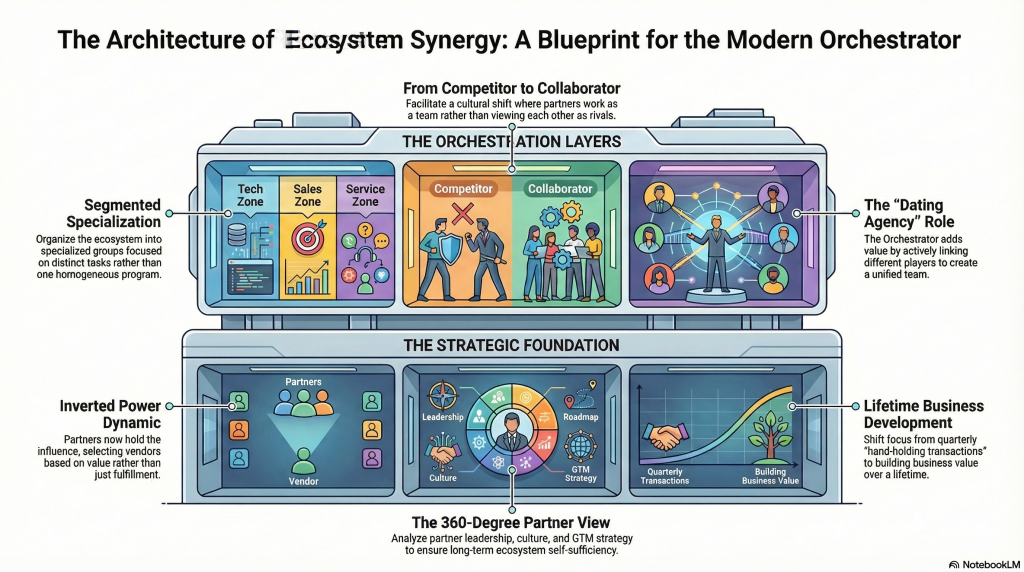
The traditional vendor-partner relationship has historically been a one-way street, focused almost exclusively on the partner’s contribution to the vendor’s quarterly numbers. However, the power dynamic has inverted. As partners become more influential in the eyes of the customer, they are becoming the ones who select the vendors, not the other way around.
To drive higher margins, the modern Orchestrator prioritizes partner ecosystem self-sufficiency. By investing in a 360-degree view of the partner’s businesses—analyzing their leadership, culture, and GTM strategy—you create a series of relationships based on customer engagement and value rather than mere sales and fulfilment. This shift from "hand-holding transactions" to "business development over a lifetime" is what differentiates a top-tier ecosystem from a stagnant one.
Talking about an ecosystem means we also have a view that it is not one homogeneous partner program, but a series of segmented groups who are specialists in different tasks, and as an orchestrator, your job is to help them understand how they can work as a team. The days when one partner sees another as a competitor should be dying. A view of them as a collaborator should be coming to the fore. Your role as the coordinator and dating agency becomes a true value add and makes a reality of the ecosystem concept. But how can you link the players?
--------------------------------------------------------------------------------
3. The Gorilla is Powerful—So why do New Customer Segments Require Gazelles
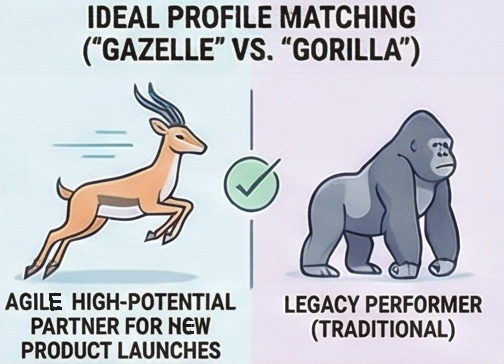
When launching a new product or entering a new territory, the instinctive move for most CROs is to lean on the "gorillas"—the high-revenue partners who dominated last year’s leaderboard. This is often a strategic error. Historical data is a trailing indicator that fails to predict success when we have significant change at play.
Traditional metrics like technical certifications and legacy revenue fail during such change because they don’t account for market agility. The Orchestrator looks for "Gazelles": they understand and react to their environment and possess a deep, nuanced market segment view. What they eat, where to find it, who they are in competition with and how to react to trouble. Identifying these partners requires "outside-in" intelligence sourced from the open web—analyzing LinkedIn endorsements, news feeds, and track records rather than just internal CRM records. In the AI era, a partner’s ability to move fast is more valuable than their ability to move bulk. But how do you know who the gazelles are? Certainly not by looking at historic revenue totals!
--------------------------------------------------------------------------------
4. The Death of the Artisanal PM—How to Stop Holding Your Intellectual Property Hostage
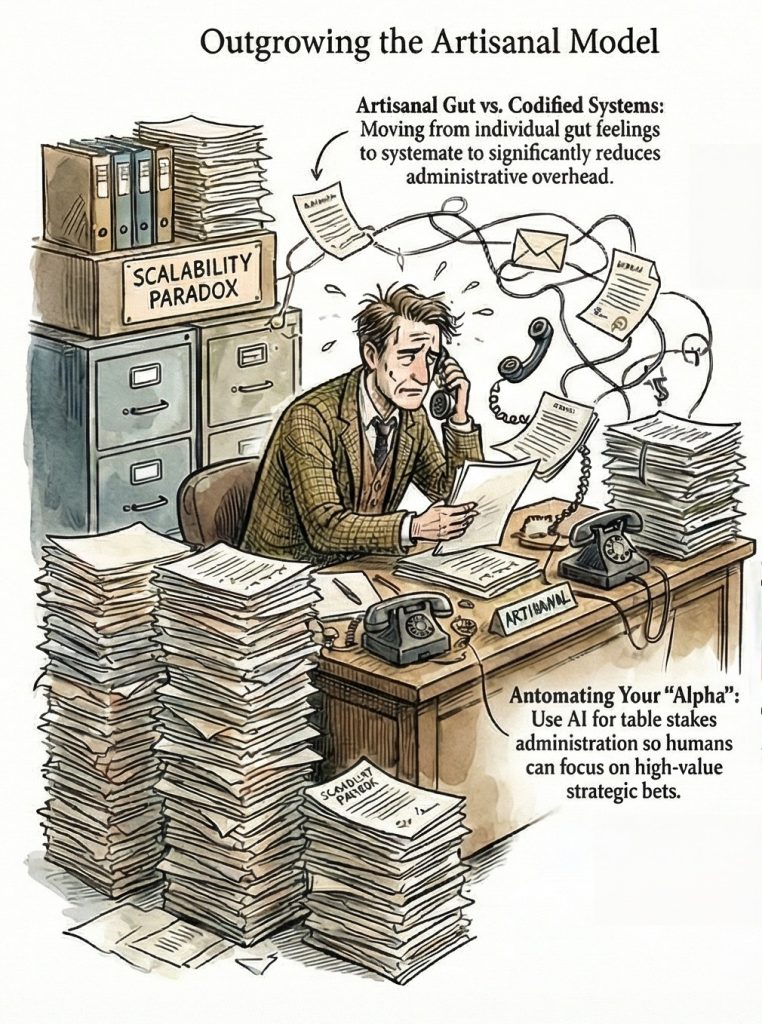
The current model of channel management is fundamentally "artisanal." Senior expertise is a single point of failure, often trapped within the heads of individual managers. This makes best practices inconsistent, hard to transfer, and prohibitively expensive to replicate. When organizations try to cut costs by hiring junior resources, they often end up "scaling their drag"—junior managers lack the veteran experience to spot a "train crash" in a relationship before it happens. But the experienced managers, like to own their IP, its what keeps them employed.
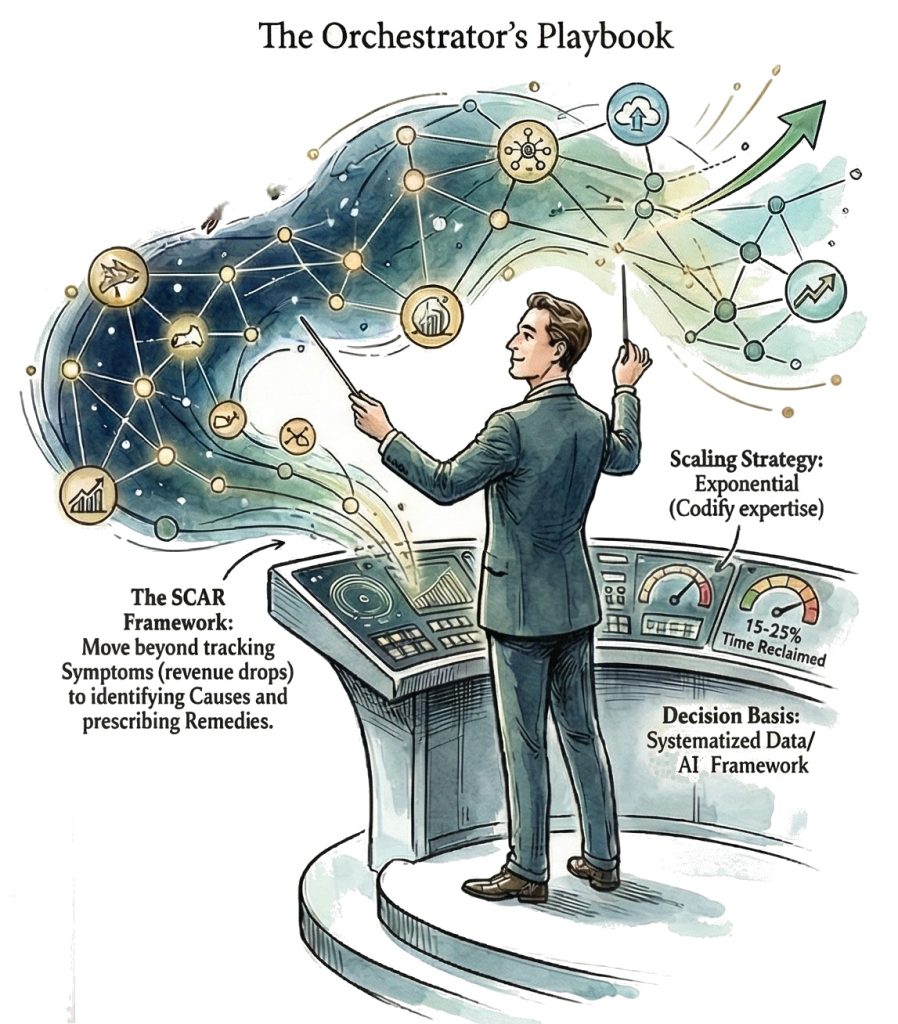
Codifying the knowledge from seniors and making it available across the teams is far easier now with Artificial Intelligence and Large Language Models. We are no longer required to structure the data into neat SQL based databases, so there is no excuse for not building the underlying intelligence about your ecosystem. What motivates their leadership, how do they interact with the market, what do they actually do best and what elements of the business can improve?
With this, it is possible to build a multifaceted ecosystem. Use partners who are great at influencing and inspiring to set the market, strong sales organisations to transact and those with the technical skill to deliver, and make sure they all get their fair share. Sounds like nirvana? Maybe today, but surely this is only round the corner, and are you ready? - Or maybe you think having a few gorillas around will be easier.
--------------------------------------------------------------------------------
5. AI is the Car, Not the Driver—Navigating the SCAR Framework
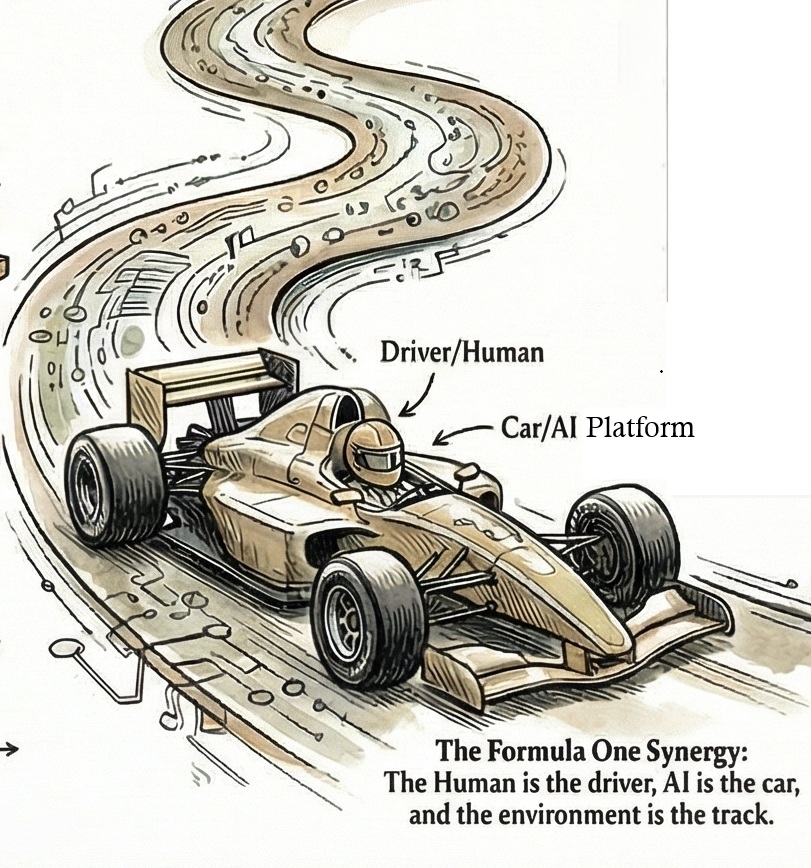
There is a persistent myth that AI will replace the human element in the channel. In reality, AI is an enabler of "native author intent." While AI can process data at a scale humans cannot, it lacks the empathy required for conflict resolution and high-level strategy and currently the capability for original thought.
Think of your ecosystem as a Formula One team:
- The Driver: Your internal vendor team (The Human).
- The Car: Your tools and platforms (The AI Engine).
- The Track & Fuel: This represents the environment in which you operate. If the track is not flat, maybe a formula1 car is not the best vehicle and as fuel changes from petrol to electric, the vehicle also needs fundamental redesign, even to do the same job on the same track. What works with one energy source may not with another.
To understand how these work together, we use the SCAR framework. Traditional CRMs only show the Symptoms (e.g., a sudden drop in the pipeline). You need to understand the Causes (e.g., an outside-in signal like a partner's marketing manager leaving for a competitor), prescribes the Actions, and monitors the Remedies. This is how you automate your alpha: by using AI to handle the "noise" so humans can focus on the "signal."
--------------------------------------------------------------------------------
6. Why "Healthy" Channel Conflict is Actually a Performance Signal
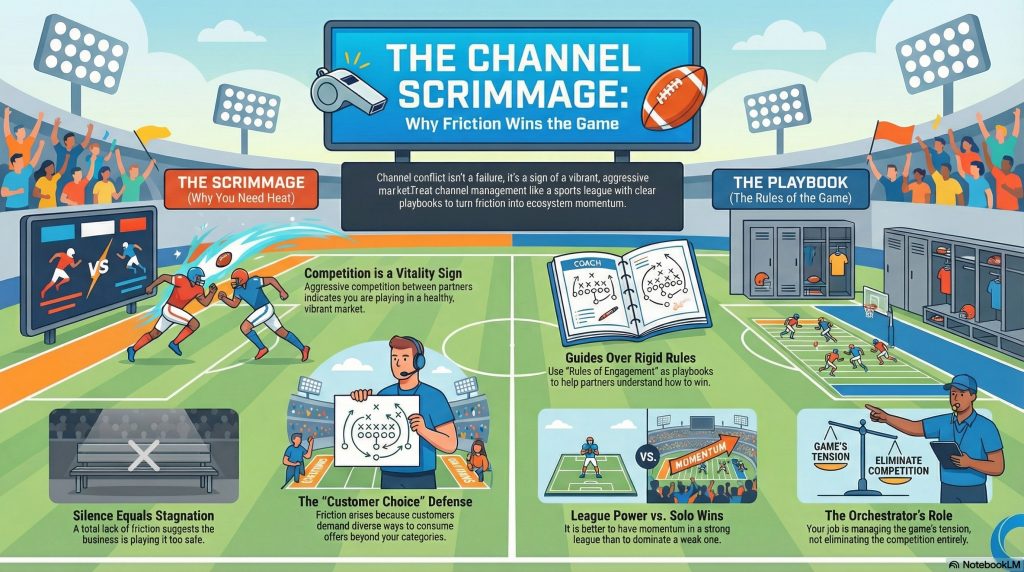
Most organizations view channel conflict as a failure. However, from a visionary perspective, a total lack of friction is a warning sign of a stagnant ecosystem. If there is no tension in your channel, it usually means you are playing it too safe and missing market opportunities. Whilst you might have done a great job of segmentation, customers like choice. Maybe the personal relationship needs to be different of the way the offer is consumed works better via a different channel. Understanding what the customer actually wants and how they consume it is great, but so is the empathy to understand that a significant proportion of the market doesn't fit the categorisations you have.
A healthy degree of friction suggests that your partners are actively and aggressively competing in a vibrant market. The Orchestrator’s job isn't to eliminate conflict, but to manage it through clear rules of engagement. Although "rules" is perhaps the wrong word. If done well the rules are more like guides to help partners, and your other channels such as direct sales execs, understand how to win the game and the role they can play, even when they are not the ones with the contract in their hands. Sometimes being in a strong ecosystem that creates momentum is better than being in a weak one with a much lower success rate, and winning 90% of the business. Which environment reflects where you are?
--------------------------------------------------------------------------------
7. Conclusion: Beyond the Data of Today
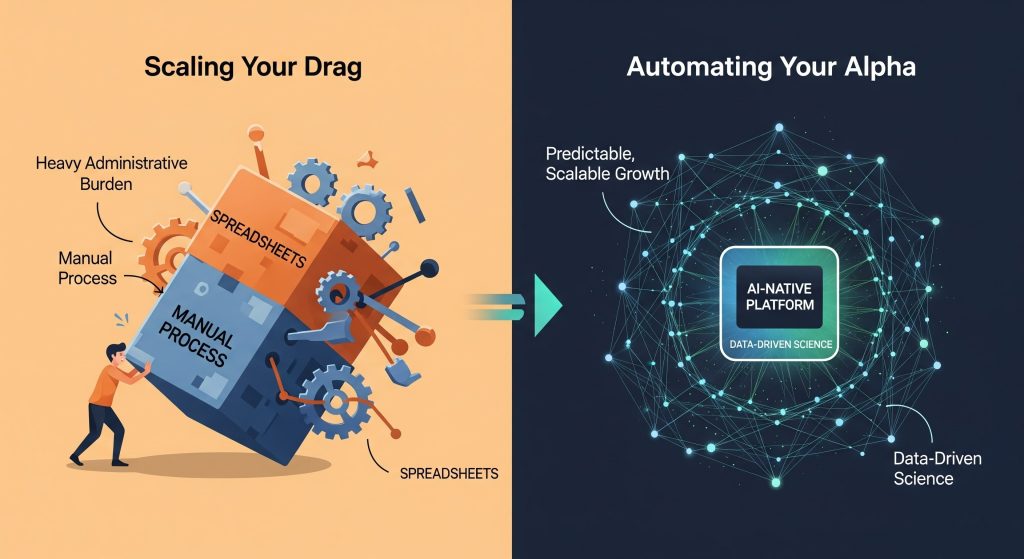
The era of managing the channel through spreadsheets and "gut" is over. The shift from manual effort to scalable execution is no longer a luxury; it is the prerequisite for survival. AI-native platforms with human guidelines and reference materials turn the artisanal process of partner development into a predictable, data-driven science. By capturing the senior expertise currently held hostage in individual silos and automating the administrative burden of QBRs and onboarding, you free your team to focus on the high-value union of customer, partner, and vendor.
As you evaluate your current ecosystem, ask yourself: Are you currently scaling your drag by hiring more people to manage an inefficient process, or are you automating your alpha? If your senior expertise left tomorrow, would your partner development stall, or is it codified into a system that works while you sleep? The risk of not capturing that intelligence is the cost of staying small and not attracting the investments you seek to grow.
Already looking for help? Check out Virtual Partner Manager. Or our website